01 PICK THE QUESTION YOU WANT TO FOLLOW
An exhibition day feels sharper when it begins with a question rather than a floor map. Choose a narrow lens—material behaviour, light across paint, quiet interiors, or hands at work—and let that thread link disparate rooms into a coherent field notebook.
-
Explore thread
Surface, Edge, and Tool Marks
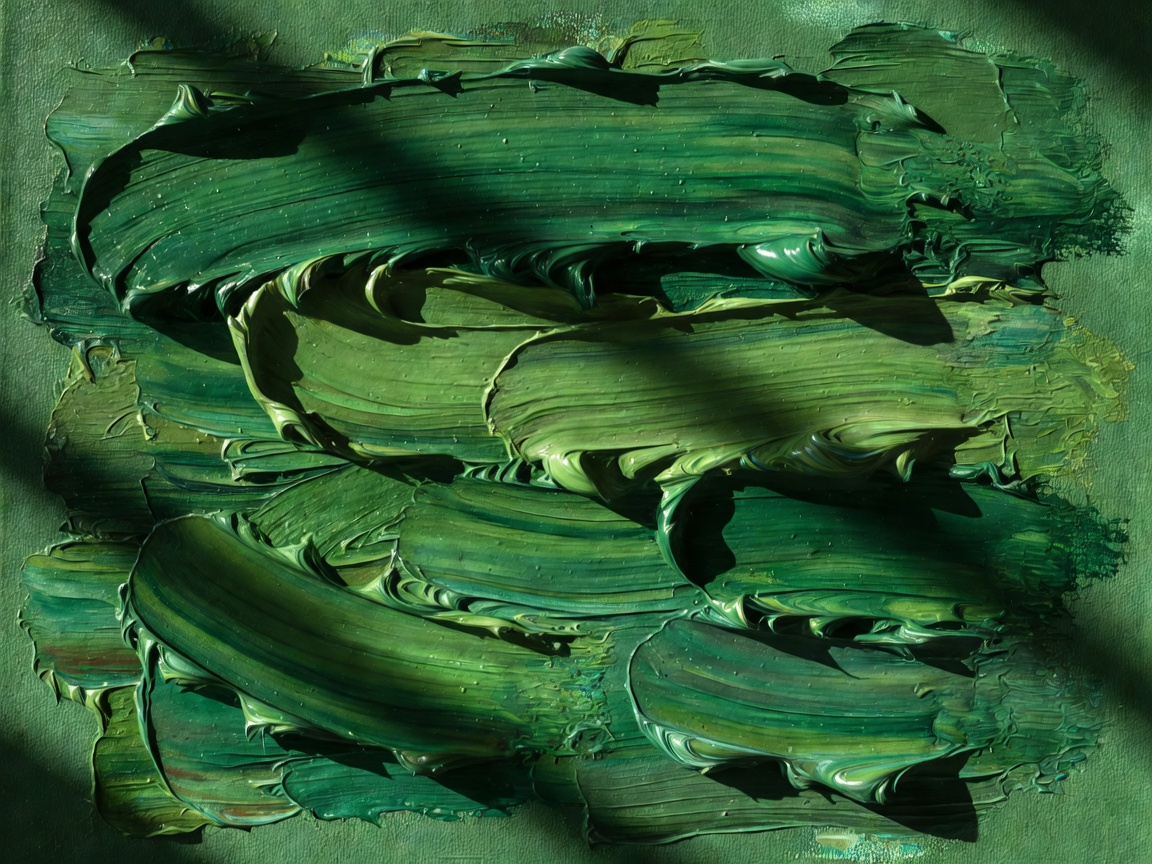
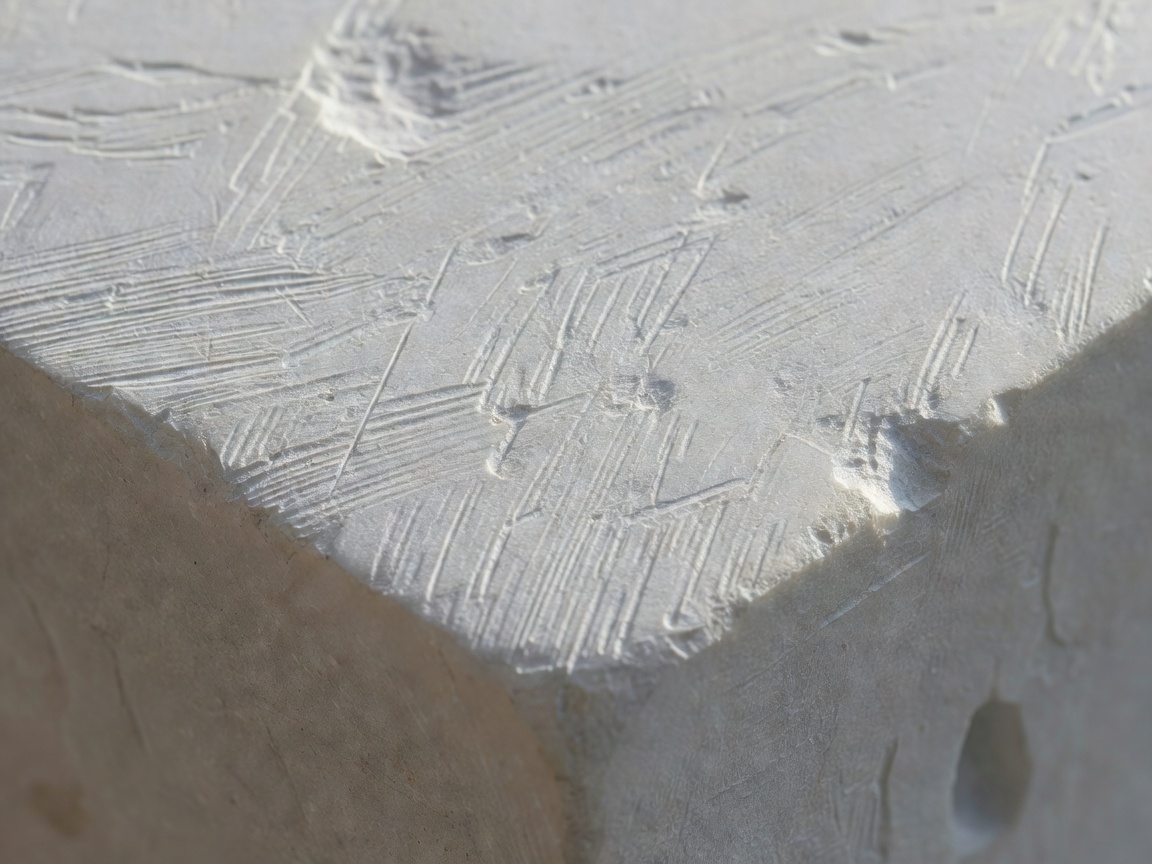
Ask how the maker left the surface: impasto ridges in oil, chisel flutes on limestone, or raw woven linen left visible at the corner.
-
Explore thread
Borrowed Daylight & Interior Shade
Trace how painters stage a window, a reflection in glass, or twilight falling across stoneware from 17th-century Delft rooms to Nordic modernism.
-
Explore thread
The Frame, Plinth, and Threshold
Notice what sits around the artwork: gilded moulding, raw steel supports, room acoustics, and the exact sightline from one doorway to the next.
-
Explore thread
Gesture, Posture, and Unspoken Rooms
Follow human posture across centuries—turned shoulders, folded hands, or the empty chair left beside a half-laid table.
02 MAKE ROOM FOR LOOKING
Museum fatigue rarely begins in the legs; it begins when your eyes try to process eighty wall labels an hour. Match your schedule to your attention budget, and inspect seating, step-free routes, and quiet hours before you buy a ticket.
| Visit Format | Time on Floor | Focal Works | Best Used When |
|---|---|---|---|
| Single-Room Pocket | 45 minutes | 2 to 3 works | Lunchtime break or a dense temporary loan show |
| Morning Thread | 90 minutes + café pause | 5 to 7 works | Opening hour in permanent wings before tour groups arrive |
| Two-Venue Pair | 3.5 hours total | 8 to 10 works across two stops | Comparing historical craft with a contemporary project space |
Our close-looking handbook pairs three-minute observation timers with practical bench habits, while the practical access checklist covers sensory hours, portable stools, cloakroom sizes, and multilingual guides.
03 CONNECT THE STOPS
The richest gallery days pair one anchor collection with one small, contrasting room nearby—and build in an outdoor walk so your visual palate clears. Note that the sample day below is an illustrative model; always verify current exhibition schedules and loan movements directly with each venue.
-
10:00 — Anchor Stop (Permanent Wing)
Open with four quiet rooms on a single material
Enter at opening time and head straight to the wings dedicated to your chosen question—such as carved limestone or late medieval panel painting—skipping the introductory lobby rush.
-
11:20 — Courtyard or Park Walk
Twenty minutes away from artificial gallery lighting
Step outside to reset your eyes on real daylight, trees, or brick façades. Jot three short lines in a pocket notebook before the memories blur together.
-
12:45 — Small Contemporary Project Space
One focused room to test your morning question
Visit a municipal kunsthalle or artist-run gallery within a fifteen-minute walk. Ask how a living maker handles the same question of edge, shadow, or scale.
-
14:00 — Bookshop & Departure
Leave before fatigue replaces curiosity
Browse exhibition catalogues for the one artist whose work lingered, buy a postcard to mark the page of your notebook, and close the day while you still feel alert.
04 NOTICE WHAT CHANGES BETWEEN ROOMS
Instead of hunting for hidden symbols in a wall text, test these open questions in front of any painting, textile, or installation. Tap a prompt below to open field cues you can carry into your next gallery.
Where does the maker ask you to stand—two metres back, or ten centimetres from the surface?
Step back until the composition holds together as a single silhouette, then slowly walk closer until brush marks, weave threads, or casting seams interrupt the illusion. Notice the exact threshold distance where the image turns back into raw material.
What happened immediately before or after the moment depicted?
Look at doors left ajar, creased tablecloths, footprints in wet plaster, or an unfinished letter. Artists frequently plant the emotional weight of a room in small signs of recent movement rather than the central face.
How do the gallery walls, ceiling height, and floor sound shape your mood?
Darkened conservation rooms for works on paper slow footsteps down; concrete industrial halls amplify echo and encourage wider pacing. Pay attention to how the curatorial architecture steers your breath and speed.
What changes if you read the wall label only after three minutes of silent looking?
Titles and dates immediately organise a work into art-historical categories. Postponing the label gives your own observation a chance to notice colours, repairs, and unexpected juxtapositions first.
05 BEFORE YOU LEAVE HOME
Because loans travel and museum wings rotate without notice, treat our planning frameworks as preparation and verify every operational detail on the venue's official channels before setting out.
06 QUESTIONS FROM THE CLOAKROOM
Practical answers for visitors planning calmer, theme-driven exhibition days. Browse all answers on our full FAQ page.
Do I need an art-history background to plan a themed gallery day?
Not at all. A strong visual thread can be as everyday as "green pigments," "portraits looking away," or "stone surfaces carved outdoors." Personal curiosity gives structure without requiring textbook terminology.
How do I avoid feeling overwhelmed in encyclopaedic museums?
Decide in advance which two wings you will skip completely. Giving yourself explicit permission to walk past whole centuries preserves energy for the five or six rooms that match your thread.
Why do you distinguish illustrative itineraries from live exhibition listings?
Museums constantly rotate light-sensitive works on paper, rearrange rooms for conservation, and lend anchor pieces abroad. Treating our itineraries as structural templates ensures you check official venue pages for current display status.
Are ink pens really prohibited inside certain exhibition halls?
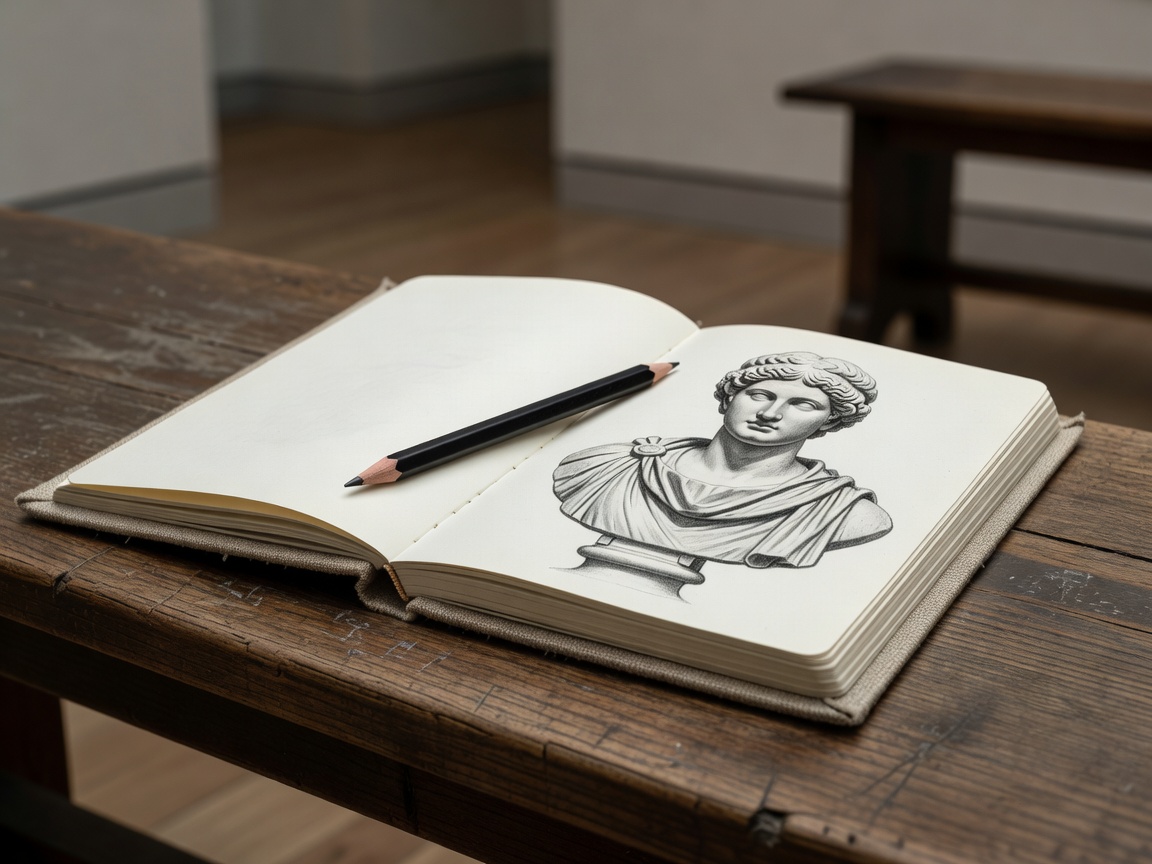
Yes. Many institutions—including major European print rooms and historic collections—require visitors to use graphite pencils only, because an accidental ink mark cannot be lifted easily from plaster, wood, or paper mounts.
What is the best time of day for quiet looking?
The first forty-five minutes after opening on Tuesday through Thursday, or the final hour of late-evening openings, consistently offer the calmest rooms and easiest access to benches.
How should I plan a gallery day with a companion who moves at a different pace?
Agree on a shared theme and a meeting bench forty minutes ahead, then split up. Comparing notes over coffee afterwards lets each person linger or move briskly without friction.
Should I take photographs of wall labels or write notes?
Photographing a discreet label with flash disabled is useful for recording an artist's spelling and date, while writing two quick words about texture or mood keeps your attention anchored in the room rather than on your phone screen.
Can I combine a large museum and a small commercial gallery in one afternoon?
Yes—provided you insert a real break outdoors between them and keep your total focal-work count under ten. Commercial galleries are usually free to enter and offer quiet contrast to major civic venues.